Search
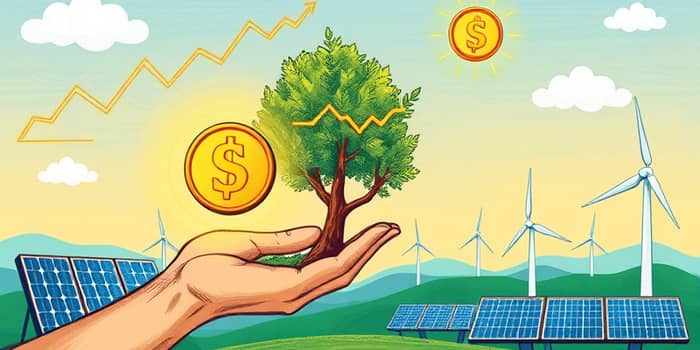
In today's world, where every dollar can shape the future, a new paradigm is emerging that allows you to earn returns while making a difference.
Impact investing is not just a trend; it's a transformative approach that bridges the gap between profit and purpose.
By directing capital towards ventures that generate positive, measurable social or environmental outcomes, investors can achieve financial success and contribute to a better world.
This article will guide you through the essentials of impact investing, from its core principles to practical strategies for 2026 and beyond, inspiring you to take action with your investments.
Imagine a portfolio that not only grows your wealth but also tackles climate change, improves healthcare access, and fosters economic equity.
That's the promise of impact investing, and it's more accessible and impactful than ever before.
At its heart, impact investing involves investments made with the intention to generate positive social or environmental impact alongside a financial return.
Unlike traditional investing, it emphasizes intentionality and accountability, ensuring that every dollar works towards a predefined goal.
The core principles include intentionality and measurement, which set it apart from other approaches.
These principles are crucial for aligning capital with values and achieving tangible results.
This distinguishes it from ESG, which focuses on risk avoidance, or philanthropy, where no return is expected.
By prioritizing active impact creation, impact investing offers a dynamic way to drive change while maintaining profitability.
The market for impact investing has exploded in recent years, reflecting a global shift towards sustainable finance.
As of 2024, the global impact investing market has reached $1.571 trillion in assets under management, with a compound annual growth rate of 21% from 2019 to 2024.
Projections estimate that it could grow to $6 trillion by 2031, highlighting its rapid adoption and potential.
This growth is fueled by increasing awareness and urgency around global challenges.
This scale demonstrates that impact investing is no longer a niche but a mainstream financial strategy.
Impact investments target sectors that address pressing global challenges while offering financial returns.
Some of the most promising areas include renewable energy, healthcare, and sustainable agriculture.
These sectors not only provide economic benefits but also contribute to societal well-being.
Investing in these areas can lead to lasting community benefits and ecosystem restoration.
For instance, data center capital expenditure tied to AI and sustainability represents a growing avenue for impact.
Looking ahead to 2026, several trends are set to define the impact investing landscape.
Industry insights highlight key developments that will influence strategies and outcomes.
Economic context for 2026 includes U.S. GDP growth of 1-3%, with factors like tariffs and immigration affecting the landscape.
Sustainable trends favor patient capital in supply-constrained markets, emphasizing adaptation and resilience.
These trends underscore the importance of staying informed and adaptable in your investment approach.
To succeed in impact investing, it's crucial to adopt clear strategies and tools.
Core strategies involve defining metrics, using technology, and ensuring accountability.
Performance-wise, investors report strong financial returns alongside impact, with organizations like GIIN noting positive outcomes.
Investor profiles range from family offices and high-net-worth individuals to institutions like Goldman Sachs, all seeking reliable portfolio components.
This table highlights how impact investing stands out by combining profit with purpose in a structured way.
Despite its promise, impact investing faces hurdles, primarily around data and measurement.
Key challenges include data gaps and accountability demands that require innovative solutions.
To overcome these, investors can leverage technology like AI for better data analytics and engage in third-party validation.
By addressing these challenges proactively, you can enhance the effectiveness and integrity of your impact investments.
Impact investing offers a powerful way to align your capital with your values, creating ripples of positive change.
By understanding the principles, seizing opportunities in key sectors, and staying ahead of trends, you can build a portfolio that thrives financially and socially.
Embrace the journey of investing with intent, and be part of the movement towards a more sustainable and equitable world.
Start by setting clear goals, leveraging available tools, and committing to continuous learning and improvement.
Together, we can harness the power of finance to drive meaningful progress for generations to come.
References