Search
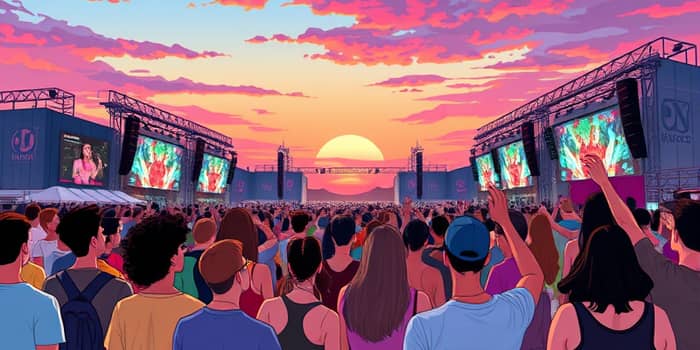
In today's fast-paced world, a profound transformation is underway.
Consumers are shifting their spending from tangible goods to immersive experiences.
This change is not just a trend but a fundamental evolution in how we find joy and meaning.
The leisure and hospitality sectors are at the forefront of this shift.
Businesses that adapt will thrive while others risk fading into obscurity.
Let's dive into the data and insights that define this exciting landscape.
Understanding the market size is crucial for grasping the scale of this transformation.
Different sources provide varying estimates reflecting the broad scope of the Experience Economy.
Projections show robust expansion across all segments from immersive tech to traditional hospitality.
Here is a comparison of key market data from various reports.
Discrepancies arise from differing market definitions but the growth trajectory is undeniable.
This economic shift offers immense opportunities for those ready to innovate.
The move to experiences is rooted in deep psychological and economic changes.
People now seek identity and connection through shared moments.
Experiential purchases yield more happiness than material goods according to Cornell studies.
This drives consumer behavior across all ages and socioeconomics.
These drivers are reshaping how businesses engage with customers.
Emotional bonds formed through experiences lead to greater loyalty.
Several trends are defining the future of this sector.
Staying ahead requires understanding and acting on these developments.
Personalization is evolving to precision engagement with real-time interactions.
Integrated ecosystems replace siloed tools for seamless customer journeys.
These trends highlight the need for adaptive strategies.
Businesses must innovate to capture the hearts of modern consumers.
Many brands are already thriving by embracing the Experience Economy.
Their successes offer valuable lessons for others.
Brands like Lego and Red Bull have built strong communities through offline events.
These initiatives often deliver higher ROI than traditional digital marketing.
These examples show that human-centric approaches drive success.
Investing in experiences can transform customer relationships.
The future holds exciting developments for the Experience Economy.
2026-specific trends indicate a shift towards more practical and integrated approaches.
AI will become more agentic and trust will emerge as a key currency.
Localization and unified touchpoints will enhance customer satisfaction.
These trends underscore the importance of continuous innovation.
Businesses must prepare for a more connected and experiential world.
To thrive in this new economy actionable strategies are essential.
Here are key steps to implement today.
Build unified ecosystems for end-to-end CX from acquisition to renewal.
Measure success with business KPIs that track emotional engagement and loyalty.
Embrace challenges like economic anxiety and AI transformation as opportunities.
Focus on creating scarce memorable events that command premium pricing.
This approach not only drives revenue but also builds lasting brand affinity.
The Experience Economy is here to stay offering a path to deeper human connection.
By understanding its dynamics and acting strategically businesses can lead the way.
Now is the time to innovate and inspire through unforgettable experiences.
References