Search
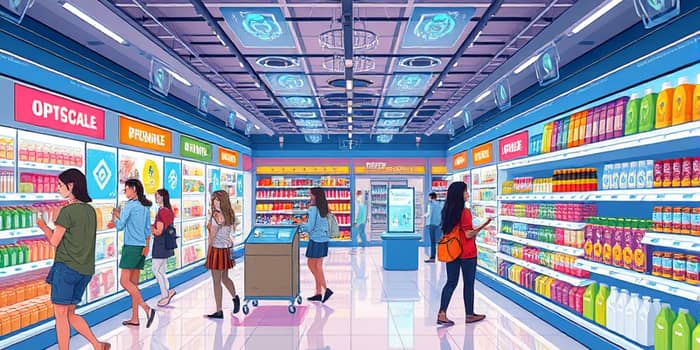
In 2026, the retail industry stands at a crossroads, defined by both challenge and opportunity. Economic headwinds are reshaping consumer behavior, while technological innovations are unlocking new paths for growth. This is a renaissance, a rebirth of retail that demands agility, creativity, and a deep understanding of evolving trends.
Retailers must navigate a landscape where slowing consumer spending growth pressures profits, yet AI-driven personalization offers unprecedented ways to connect. The key to survival lies in embracing change and leveraging data to meet shopper needs.
As we delve into this transformation, remember that success hinges on balancing cost-efficiency with customer-centric innovation. This article provides a detailed guide to help you adapt and inspire your journey forward.
Consumer spending is projected to grow at only 1.5% real personal consumption expenditure (PCE), down from previous years. This slowdown stems from softening labor markets and squeezed real incomes, forcing families to prioritize value.
In this environment, a K-shaped economy deepens divides, with AI-focused companies thriving while others struggle. Retail giants like Amazon and Costco have seen spending surges, highlighting the shift toward discount and value channels.
Practical adaptation requires focusing on efficiency and resilience. Retail executives are optimistic, with 96% expecting revenue growth, but they must address structural changes in consumer behavior.
Understanding these economic forces is the first step toward crafting a responsive retail strategy. It’s about turning constraints into catalysts for innovation.
Artificial intelligence is no longer a luxury; it’s a necessity. With 87% of retailers deploying AI in business areas, the technology drives everything from personalization to supply chain optimization.
AI spending is forecast to grow by 31.9% year-over-year from 2025 to 2029, fueled by advancements in agentic AI. This enables real-time inventory management and dynamic pricing, enhancing operational efficiency.
For instance, Walmart uses AI for recommendation engines and store transformations, creating seamless omnichannel experiences. The impact is profound, with 59% of retailers expecting positive ROI within 12 months.
Embrace AI not just as a tool, but as a partner in reimagining retail. It empowers you to anticipate needs and deliver personalized journeys that foster loyalty.
Consumers are increasingly favoring value amid economic pressures, boosting discount retailers with strong supply chains. Private label sales are set to hit $277 billion by end-2025, up from previous years, as brands like Walmart’s BetterGoods innovate with new flavors.
Emerging brands, those with less than 2% market share, drove 39% category growth in 2024, thanks to differentiation and authenticity. This trend challenges established players to pivot and engage more deeply with shoppers.
To capitalize on this, focus on co-equity merchandising, such as dedicating shelves to emerging brands or aligning private labels with retailer themes. It’s about offering quality at accessible prices.
Value is not just about price; it’s about perceived benefit and trust. Build that through transparent practices and innovative product lines.
Despite digital growth, physical stores remain vital, with 80% of shopping in brick-and-mortar locations. Malls are rebounding, with foot traffic up 1.8% in 2025 H1, driven by mixed-use projects and experiential elements.
Omnichannel integration is key, as shoppers demand features like real-time inventory checks and in-store price comparisons via mobile devices. This blend of online and offline creates frictionless experiences that attract and retain customers.
Invest in store remodels with QR codes and enhanced pick-up services to meet these expectations. It’s about making physical spaces interactive and convenient.
This table summarizes critical trends to guide strategic decisions. Use it as a reference point for prioritizing investments.
Major players like Walmart, Amazon, and Costco are set to account for one-third of U.S. retail sales, driving 57% of growth through 2030. Their scale and infrastructure create high barriers for smaller retailers.
To compete, focus on niche markets or unique value propositions. Leverage local connections or specialized product ranges that giants may overlook. It’s about finding your edge in a crowded marketplace.
Collaborate with these giants through partnerships or marketplace integrations to reach broader audiences. Adaptability is crucial in this concentrated landscape.
Embrace the challenge by innovating relentlessly. Your agility can be a powerful advantage against scale.
Shoppers now expect seamless journeys that blend online convenience with in-store authenticity. Hyper-personalization via AI evokes emotional loyalty, making every interaction count.
Invest in technologies that enable real-time supply chains and frictionless global commerce. This allows for transparency and speed, meeting the demands of modern consumers.
As Slalom highlights, this retail renaissance dissolves boundaries through AI, data, and human ingenuity. It’s about creating growth at lower costs while enhancing profit margins.
Focus on the human touch augmented by technology. This balance drives lasting customer relationships and sustainable success.
Beyond economic and tech shifts, retailers face external forces like tariffs, workforce changes, and sustainability demands. AI can reroute shipments and rebalance inventory, but human-plus-machine teams are essential.
Sustainability initiatives, such as connected packaging for circularity tracking, are becoming critical. Consumers increasingly align with brands that share their values, so transparency in these efforts is key.
Stay agile by monitoring geopolitical trends and adapting supply chains accordingly. This proactive approach mitigates risks and capitalizes on opportunities.
These steps not only address challenges but also position your brand as forward-thinking and responsible.
To thrive in this renaissance, start by auditing your current capabilities. Identify gaps in AI adoption, omnichannel integration, or value offerings. Then, develop a phased plan for implementation.
Engage with customers through surveys and data analysis to understand their evolving needs. Use insights to tailor experiences and product assortments. Remember, informed and selective shoppers value personalization and seamlessness.
Finally, foster a culture of innovation within your team. Encourage experimentation and learning from both successes and failures. This mindset will drive continuous improvement.
By taking these actionable steps, you can transform challenges into opportunities. The retail renaissance is here—embrace it with courage and creativity.
In conclusion, the path forward is paved with innovation and adaptability. As you navigate this evolving landscape, let data guide your decisions and empathy shape your interactions. Together, we can build a retail future that is resilient, inspiring, and profoundly human.
References